

Runner’s Knee
What Is Runner’s Knee?
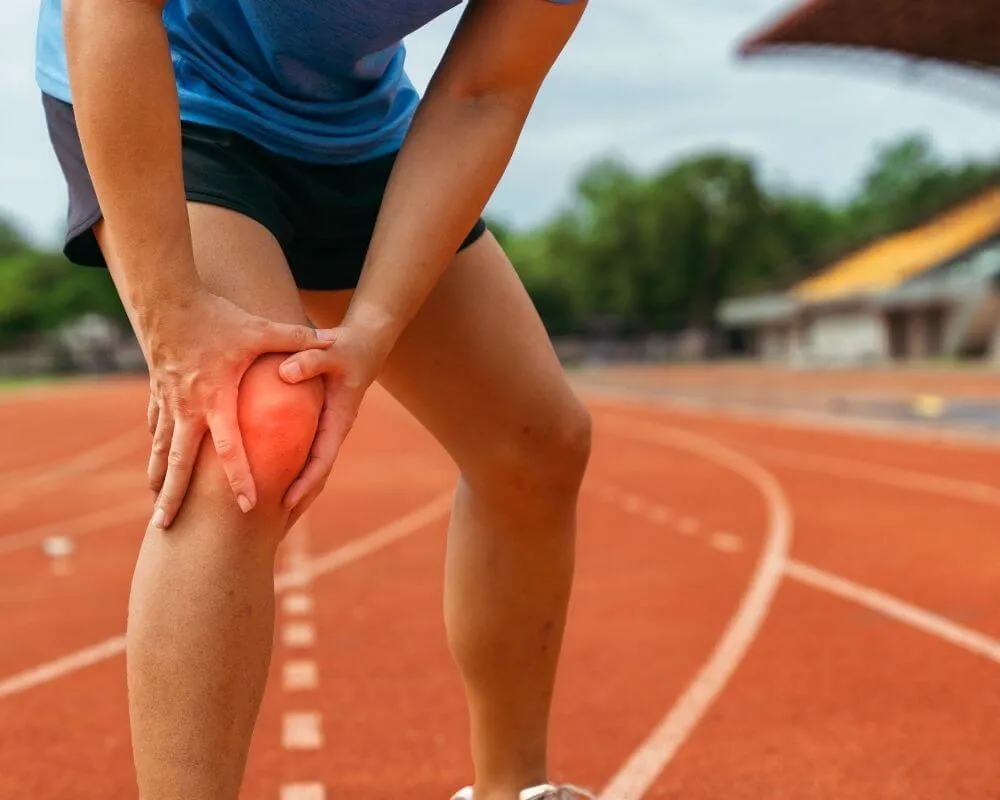
Runner’s Knee is a general term used to describe pain around the kneecap (patella), particularly where it meets the lower end of the thigh bone (femur). It’s a common condition among runners, cyclists, and anyone whose activities involve repetitive knee motion.
This condition typically develops when the kneecap doesn’t track properly over the femur during movement, leading to friction, inflammation, and discomfort. The pain can worsen when running, walking up or down stairs, squatting, or sitting for long periods with bent knees.
At Living Well Bainbridge, we take a holistic approach to understanding Runner’s Knee—focusing not just on the knee itself, but on how your posture, muscle balance, and joint alignment affect your movement.
Common Causes of Runner’s Knee
Runner’s Knee can develop for several reasons, and understanding the root cause is key to effective treatment. Common factors include:
Overuse
Repetitive bending and strain on the knee joint can irritate the soft tissues surrounding the kneecap.
Muscle Imbalance
Weak or tight thigh, hip, or calf muscles can cause uneven stress on the knee.
Poor Foot Mechanics
Flat feet or overpronation can alter leg alignment, increasing pressure on the kneecap.
Improper Running Form
Poor technique or worn-out footwear can contribute to misalignment and overuse injuries.
Injury or Trauma
A previous knee injury may lead to instability and recurring pain.
Misalignment of the Patella
When the kneecap shifts out of place, it can cause friction against the femur.
At Living Well Bainbridge, our comprehensive evaluations help determine which of these factors may be contributing to your pain so we can design a treatment plan that directly targets the cause.
Signs and Symptoms of Runner’s Knee
Runner’s Knee symptoms can vary from mild irritation to persistent pain that limits daily activities. Some of the most common symptoms include:
Dull, aching pain around or behind the kneecap
Increased pain when climbing stairs, squatting, or sitting with bent knees
Grinding or popping sensations when moving the knee
Swelling around the kneecap
Weakness or instability when walking or running
If you’re experiencing these symptoms, it’s important to seek professional evaluation. Ignoring the signs may lead to worsening pain or more serious knee problems over time.
How Runner’s Knee Is Diagnosed
At Living Well Bainbridge, we begin by performing a detailed assessment to identify the exact cause of your pain. This may include:
1. Medical History Review
Understanding your activity level, training routine, and any previous injuries.
Physical Examination
Checking for alignment issues, muscle imbalances, and movement patterns.
Range of Motion Testing
Measuring flexibility and knee function.
Gait Analysis
Evaluating how you walk and run to identify improper mechanics.
Imaging (if needed)
In some cases, X-rays or MRI scans may be recommended to rule out other conditions such as arthritis or ligament damage.
Once we have a clear understanding of your condition, we’ll create a personalized care plan to help you heal, strengthen, and prevent future knee pain.
Effective Treatments for Runner’s Knee
At Living Well Bainbridge, we specialize in natural, non-surgical solutions that address the root cause of your knee pain. Our treatment approach focuses on restoring balance, improving mobility, and promoting long-term recovery.
1. Chiropractic Care
Proper joint alignment is essential for healthy knee function. Gentle chiropractic adjustments can help correct misalignments in the hips, knees, or lower back that may be contributing to abnormal movement patterns and pain.
2. Knee Decompression Therapy
Knee decompression gently stretches the joint to reduce pressure, improve circulation, and promote healing in damaged tissues. This therapy can relieve pain and stiffness caused by Runner’s Knee without the need for surgery.
3. Therapeutic Exercises
Strengthening the quadriceps, hamstrings, and hip muscles helps stabilize the knee joint. We guide patients through safe, customized exercises to rebuild strength and flexibility.
4. Soft Tissue Therapy
Myofascial release or trigger point therapy can help relax tight muscles and reduce inflammation, improving joint mobility and comfort.
5. Postural and Gait Training
We evaluate your running form and teach you proper biomechanics to minimize strain on the knees and prevent future injuries.
6. Class 4 Laser Therapy
This advanced modality helps reduce inflammation, stimulate tissue repair, and accelerate healing at the cellular level.
Each treatment plan is personalized to meet your specific needs and activity goals, helping you recover faster and get back to running safely.
Benefits of Professional Treatment for Runner’s Knee
Seeking professional care for Runner’s Knee provides lasting benefits that go beyond short-term pain relief. At Living Well Bainbridge, our integrated approach offers:
Pain Reduction
Gentle therapies relieve discomfort and inflammation without medication.
Improved Joint Function
Corrects knee tracking and restores smoother, more natural movement.
Enhanced Strength and Stability
Strengthening surrounding muscles reduces the risk of future injuries.
Faster Recovery
Professional care accelerates healing and helps you safely return to your normal routine.
Prevention of Recurrence
Addressing the underlying cause prevents the condition from coming back.
Our goal is not just to treat your symptoms but to help you achieve long-term joint health and improved performance.
Preventing Runner’s Knee
Prevention plays a vital role in maintaining knee health—especially for runners. Here are a few ways to reduce your risk:
Warm up properly before running or exercise.
Incorporate strength and flexibility training for the legs and hips.
Wear supportive, well-fitted running shoes.
Gradually increase mileage and intensity to avoid overuse.
Run on even surfaces when possible.
Maintain proper posture and stride during running.
Listen to your body and rest when needed.
Taking proactive steps can help keep your knees strong, flexible, and pain-free for years to come.
Start Your Recovery from Runner’s Knee Today
Don’t let knee pain slow you down. At Living Well Bainbridge, we’re dedicated to helping runners and active individuals recover naturally and return to pain-free movement. Our comprehensive, non-surgical treatments are designed to relieve pain, improve mobility, and enhance long-term joint health.
Is Knee Pain Keeping You From Running? Schedule an Appointment With Us Today!
Reach out to the caring professionals at Living Well Bainbridge to find the relief you deserve. Call 206-842-4929 today to schedule your consultation and take the first step toward pain-free running and better mobility!
FAQs
What causes Runner’s Knee?
Runner’s Knee is usually caused by overuse, muscle imbalances, or misalignment of the kneecap that leads to friction and irritation.
Can Runner’s Knee heal on its own?
Mild cases may improve with rest and activity modification, but chronic pain often requires professional care to correct underlying issues.
How long does it take to recover from Runner’s Knee?
Recovery varies by severity and treatment. With proper therapy, many patients experience improvement within a few weeks to a few months.
Is running with knee pain dangerous?
Yes. Continuing to run with pain can worsen inflammation and lead to more severe injury. It’s best to rest and seek evaluation before resuming activity.
Can chiropractic care help with Runner’s Knee?
Yes, chiropractic adjustments can correct misalignments in the hips, knees, or spine that contribute to improper knee movement and pain.
What’s the difference between Runner’s Knee and tendonitis?
Runner’s Knee typically affects the kneecap area, while tendonitis involves inflammation of the tendons surrounding the knee joint.
Do I need surgery for Runner’s Knee?
In most cases, no. Non-surgical treatments such as chiropractic care, decompression therapy, and exercise can effectively relieve symptoms.
Can orthotics help with Runner’s Knee?
Yes, custom orthotics can improve foot alignment, which may help reduce stress on the knee during walking or running.
How can I prevent Runner’s Knee from returning?
Maintain strong leg muscles, use proper running form, wear supportive shoes, and avoid sudden increases in training intensity.
When should I see a professional for Runner’s Knee?
If pain persists for more than a few days, interferes with daily activity, or worsens despite rest, it’s time to schedule a consultation with a professional.